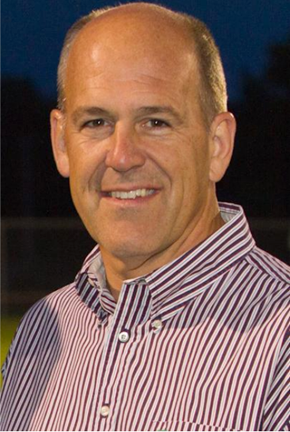
Pennsylvania Hog Producer Brent Hershey Says the Industry Must Face the Crate Debate Head-On
Pennsylvania hog producer Brent L. Hershey spent 40 years building and managing gestation-crate systems because industry experts told him this was the best way to house sows. He invested heavily, learned the system, and defended it for decades. Today, he supports the direction of California’s Proposition 12 because he believes the industry can no longer defend the old model.
Hershey says the issue begins with what people see when they walk into a gestation-crate barn. A sow lives in a space only slightly longer and wider than her body. She can stand and lie down, but cannot walk or turn around. When the public hears this, most say it is not acceptable. The industry built crates decades ago to stop sow fighting, allow individual feeding, and increase efficiency, but those benefits no longer outweigh public expectations for animal welfare.
Hershey says he defended crates for years because that was the system he knew. But when he stepped back and looked at it honestly, he no longer saw a way to justify it. He says no other livestock system locks an animal in a space where it cannot turn around. As states learned more about the issue, 12 have banned crates. California then restricted the sale of crate-produced pork. Hershey says critics blame California, but they ignore the reason voters acted. People understood how sows lived and rejected the system.
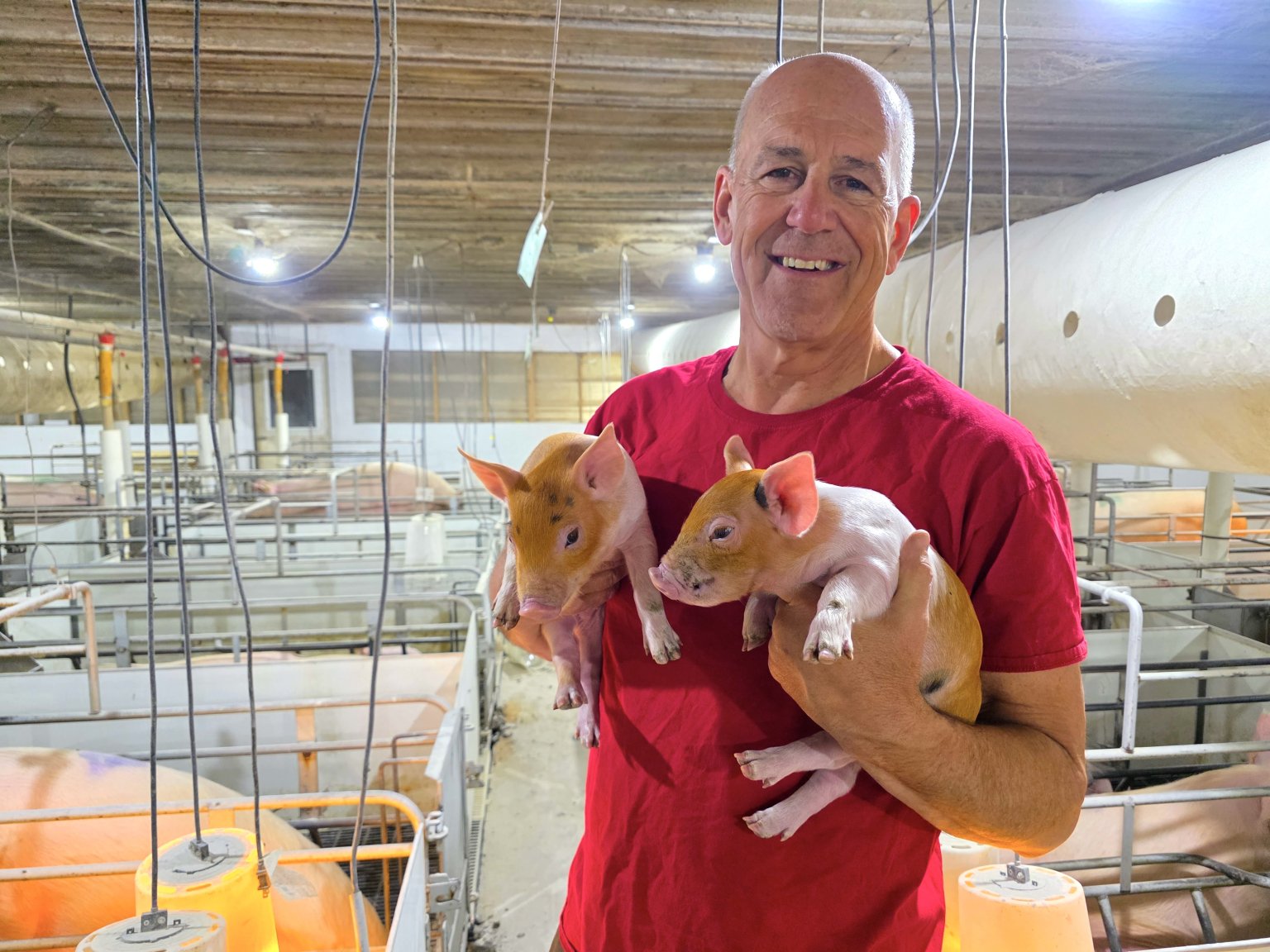
Brent Hershey
Hershey says Prop 12 will not create pork shortages. Only a few states require it, and the transition will take a decade or more. Crate barns will continue in some regions for years to come. He says the real issue is whether the industry can defend a system the public finds unreasonable. If someone invented gestation crates today, he says, regulators would reject them immediately.
Many producers worry about conversion costs, labour, and long-term economic pressure. Hershey sees those concerns but says the switch to Prop 12 costs less than expected. His farm converted 3,000 sows 2.5 years ago. His team cut out old equipment, reused most steel, and finished the work in about a month. Capacity dropped 35 percent, but sow performance improved.
Hershey reports sow mortality at seven percent annualized and higher conception rates. Feed efficiency and labour stayed stable, and production increased. He says building changes increased costs by only one to two percent. He believes ongoing improvement could erase even that small rise.
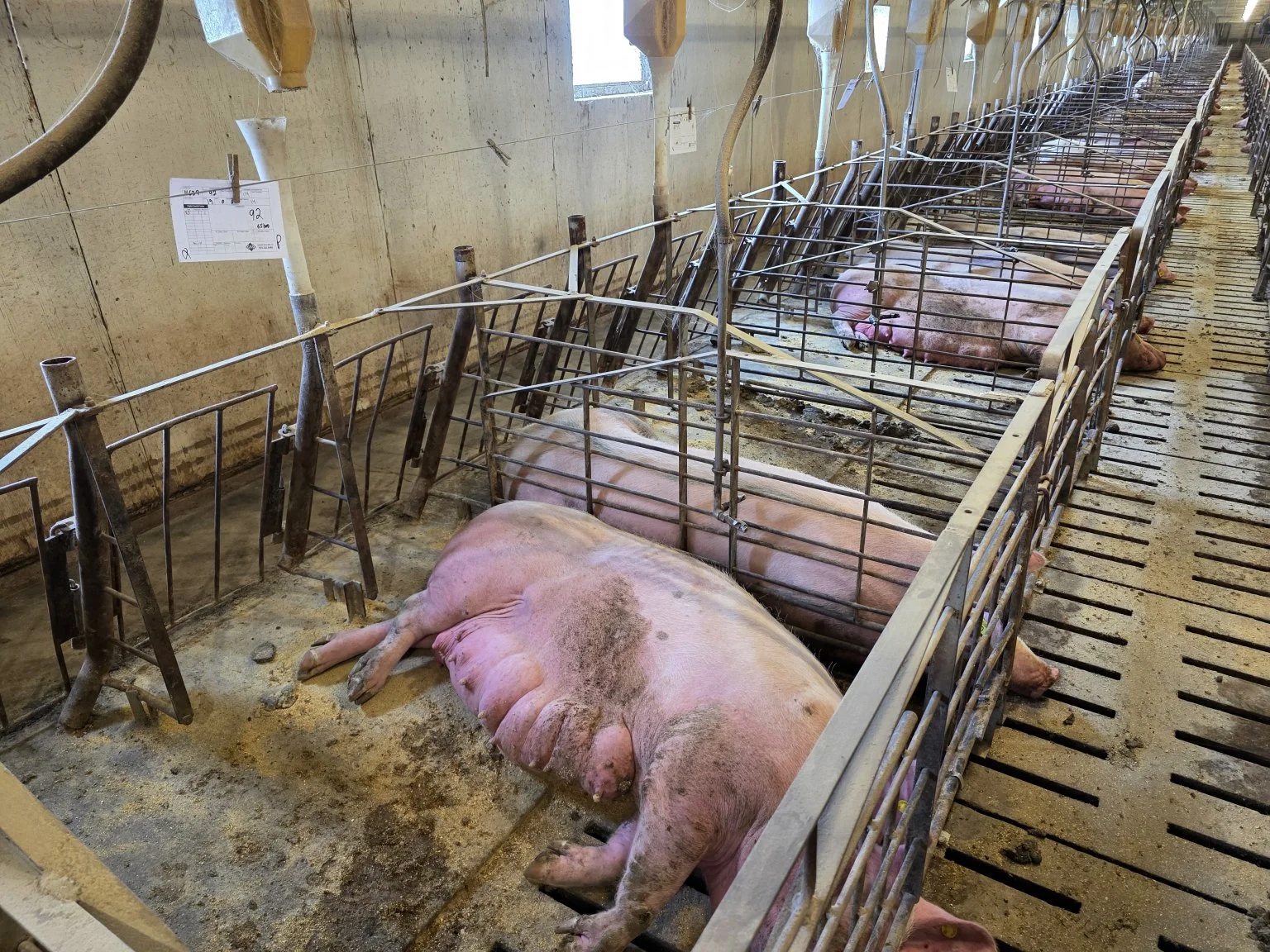
Sow seven by seven pen
He acknowledges anti-meat groups use Prop 12 as part of a larger agenda, but he says they do not represent the majority. Most supporters still want to eat pork. They want barns that make sense to them. He also warns that veterinarians are growing less willing to defend crate systems. New graduates, he says, consider crates unreasonable and will push the industry to change.
Hershey understands why producers in Canada and the United States worry about new codes of practice. He says every industry faces change, and that pork producers must prepare rather than resist. Proposition 12 did not appear overnight. The idea built momentum over 25 years. He says producers had time to see it coming.
Hershey says his own change of mind took time. He resisted Prop 12 early on because he disliked anyone telling him how to farm. But when he examined the issue, he realized the system failed a basic test of common sense. He removed every gestation crate from his barns. Today, he uses larger individual breeding pens and group housing for gestation and invites anyone to visit.
Hershey believes the pork industry must protect its credibility. He says producers must look ahead, understand market expectations, and face the issue honestly. In his view, the path forward requires openness and a willingness to rethink long-standing practices.
Original Article - https://www.prairiehogcountry.com/2025/12/03/two-sides-of-prop-12/